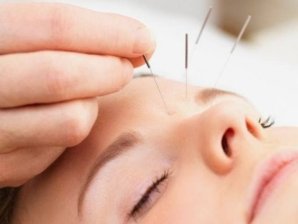

Acupuncture is a traditional Chinese medicine practice that involves the insertion of thin needles into specific points on the body to stimulate and balance the flow of energy, or "Qi" (pronounced "chee"), throughout the body.
The basic principle of acupuncture is based on the idea that Qi flows through channels or pathways called "meridians" that run throughout the body. When Qi becomes blocked or unbalanced, it can lead to pain, illness, or other health problems. By inserting needles into specific points along these meridians, an acupuncturist can stimulate the flow of Qi and restore balance to the body.
From a Western medical perspective, acupuncture is believed to work by stimulating the nervous system to release natural painkillers and other chemicals that can help reduce inflammation, improve circulation, and promote healing.
Although there is ongoing research into the mechanisms behind acupuncture, its effectiveness in treating a variety of conditions has been supported by numerous studies and is recognized by the World Health Organization as a valid form of medical treatment.
What are acupuncture points?
Acupuncture points are specific locations on the body that are believed to be connected to pathways or channels through which the body's vital energy, or Qi (pronounced "chee"), flows. Acupuncturists believe that stimulating these points can help to balance the flow of energy in the body, promoting healing and alleviating symptoms of various health conditions.
There are over 300 acupuncture points located on the body, each with its own specific function and therapeutic benefit. These points are typically located along the body's meridians, or energy pathways, which run from the head to the feet.
How is acupuncture points diagnosed?
Acupuncture points are diagnosed based on traditional Chinese medicine (TCM) principles, which involve observing and analyzing the patient's physical and energetic characteristics, as well as their symptoms and medical history.
The diagnosis process in TCM typically involves four key methods:
- Inspection: This involves observing the patient's physical appearance, including skin color, tongue coating, and facial expression.
- Palpation: This involves feeling the patient's pulse, as well as the texture, temperature, and sensitivity of various parts of the body.
- Inquiry: This involves asking the patient about their symptoms, medical history, lifestyle, and emotional state.
- Listening and smelling: This involves listening to the patient's voice and breathing, as well as smelling their body odor, to gather additional diagnostic information.
Based on these diagnostic methods, an acupuncturist will determine which acupuncture points to stimulate for each patient's specific condition. Acupuncture points are located along the body's meridians, or energy channels, which are believed to be connected to specific organs and physiological systems. By stimulating these points with thin needles or other methods, an acupuncturist aims to balance the body's energy and promote healing.
What kind of illness does acupuncture treat?
Acupuncture is often used to treat a wide range of conditions, including:
- Pain: Acupuncture can be effective in treating chronic pain, including back pain, neck pain, knee pain, and headaches.
- Digestive issues: Acupuncture has been shown to be helpful for conditions such as irritable bowel syndrome (IBS), constipation, and nausea.
- Anxiety and depression: Acupuncture may help to reduce symptoms of anxiety and depression by stimulating the release of endorphins and other neurotransmitters.
- Insomnia: Acupuncture can help improve sleep quality and quantity for people with insomnia.
- Women's health: Acupuncture may be beneficial for women experiencing menstrual pain, infertility, and menopausal symptoms.
It's important to note that while acupuncture can be a helpful complementary treatment for many conditions, it should not be used as a substitute for conventional medical care. Always consult with your healthcare provider before trying any new treatment.
Is acupuncture a safe treatment method
It has been practiced for thousands of years in traditional Chinese medicine and is now widely used in many countries around the world. It is generally considered safe when performed by a licensed and trained practitioner who uses sterile needles and follows proper techniques.
However, as with any medical treatment, there are some potential risks and side effects associated with acupuncture. These can include soreness, bruising, bleeding, and infection at the site of the needle insertion. In rare cases, more serious side effects such as nerve damage or punctured organs have been reported.
It is important to talk to your healthcare provider before beginning acupuncture treatment, especially if you have a bleeding disorder or are taking blood-thinning medications. Your healthcare provider can help you weigh the potential benefits and risks of acupuncture and determine if it is a safe and appropriate treatment option for you.