
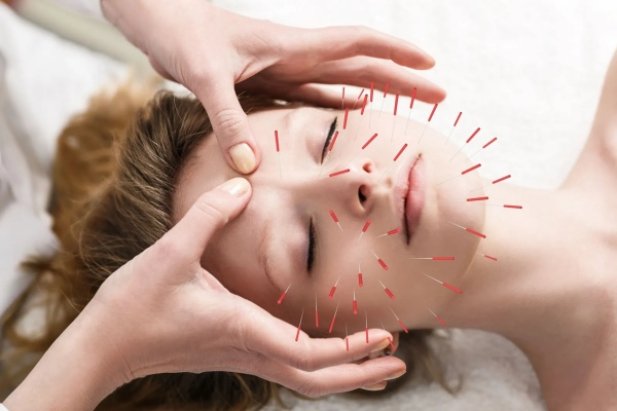

Traditional Chinese Acupuncture is a form of acupuncture that originated in China over 2,500 years ago. It is based on the principles of Traditional Chinese Medicine (TCM), which views the body as a complex system of energy channels, or meridians, that are linked to specific organs and functions.
Traditional Chinese Acupuncture takes into account the patient's overall health, lifestyle, and emotional state when developing a treatment plan. This style of acupuncture may incorporate TCM techniques and herbal remedies, to enhance the effects of the acupuncture treatment.
TCM acupuncture techniques
Traditional Chinese Medicine (TCM) acupuncture techniques involve the insertion of thin needles into specific points along the body's meridian pathways to stimulate the flow of energy (qi) and promote healing.
Here are some of the most common TCM acupuncture techniques:
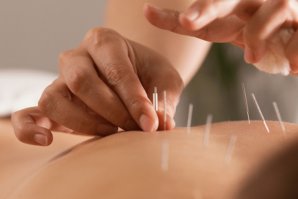
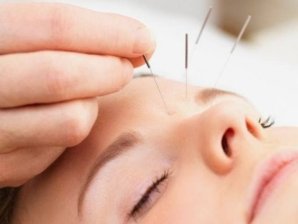
- Traditional Acupuncture: Acupuncture involves inserting thin needles into specific points along the meridian pathways to promote the flow of qi and restore balance to the body. The practitioner will choose the points based on your specific symptoms and needs.
- Electro-Acupuncture: It involves attaching small electrodes to the acupuncture needles to provide a low-level electric current. This can enhance the effectiveness of the treatment and may be used for conditions such as chronic pain or paralysis.
- Auricular Acupuncture: Needles are inserted into specific points on the ear to treat a wide range of conditions, including addiction, pain, and mental health issues.
- Scalp Acupuncture: Needles are inserted into specific points on the scalp to treat conditions such as stroke, paralysis, and neurological disorders.
- Moxibustion: This technique involves burning dried mugwort (moxa) near the acupuncture points to warm and stimulate the area. This can be used to treat conditions such as pain, digestive disorders, and infertility.
- Cupping: It involves placing suction cups on the skin to stimulate blood flow and relieve muscle tension. This can be used to treat conditions such as pain, respiratory disorders, and digestive issues.
- Gua Sha: A tool is used to scrape the skin and stimulate blood flow. This can be used to treat conditions such as pain, respiratory disorders, and digestive issues.
- Tui Na: This technique involves using pressure and massage techniques to stimulate the flow of qi and promote healing. This can be used to treat conditions such as pain, musculoskeletal disorders, and stress-related conditions.
TCM acupuncture techniques are used to promote balance and harmony within the body and can be effective in treating a wide range of physical and mental health conditions.
Herbal medicines used to enhance acupressure therapy
Traditional Chinese Medicine (TCM) incorporates a wide range of herbal medicines that are often used in conjunction with acupuncture therapy. These herbal medicines are typically derived from natural plant sources and are used to promote healing and balance within the body.
Some common herbal medicines used in TCM include:
- Ginseng: This herb is used to help stimulate the immune system and increase energy levels.
- Ginkgo Biloba: This herb is believed to improve circulation and enhance memory and cognitive function.
- Angelica sinensis (Dong Quai): This herb is often used to help regulate hormonal imbalances and relieve menstrual pain.
- Licorice root: This herb is used to soothe digestive issues and relieve inflammation.
- Astragalus: This herb is believed to strengthen the immune system and help protect against illnesses.
- Chinese skullcap: This herb is often used to relieve inflammation and help reduce fever.
- Peony: This herb is believed to have anti-inflammatory and pain-relieving properties and is often used to relieve menstrual cramps.
- Reishi mushroom: It promotes longevity, reduces stress, and boosts the immune system.
It's important to note that while these herbal medicines are widely used in TCM, they should only be taken under the guidance of a licensed TCM practitioner. The dosage and preparation of these herbs can vary depending on the individual's needs and health conditions.
Overall, Traditional Chinese Acupuncture is a holistic approach to healthcare that aims to address not just physical symptoms, but also the underlying imbalances and root causes of disease.





This technique works really well.
- John