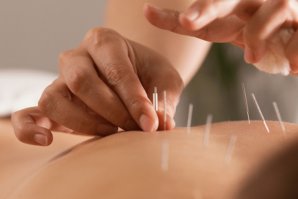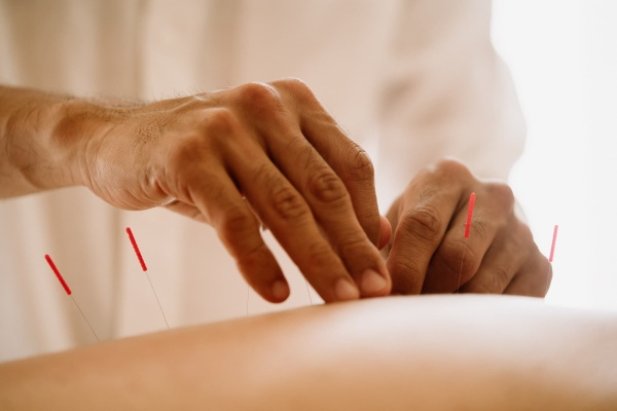

Japanese style acupuncture is a form of acupuncture that emphasizes the use of thinner needles and a gentler needling technique compared to other styles of acupuncture. It is based on traditional Chinese acupuncture but has evolved over time with the influence of Japanese culture and philosophy.
One of the key differences of Japanese style acupuncture is the use of extremely thin needles that are inserted more shallowly into the skin. This technique is believed to be less painful for the patient and can be beneficial for individuals who are sensitive to needle stimulation.
In addition, Japanese-style acupuncture also incorporates palpation, or touch diagnosis, to assess the condition of the patient's body and determine the best treatment approach. The practitioner will use their hands to feel for imbalances or areas of tension in the patient's body and will then select specific acupuncture points based on their assessment.
Another feature of Japanese style acupuncture is the use of meridian therapy, which involves stimulating specific pathways of energy, known as meridians, in the body. This can involve the use of non-needle techniques such as moxibustion (the burning of a dried herb over the acupuncture point) or manual pressure.
Overall, Japanese-style acupuncture aims to provide a gentle and personalized treatment approach that is tailored to the individual needs of the patient.
What are techniques used in Japanese-style acupuncture therapy?
Japanese-style acupuncture is a unique form of acupuncture that emphasizes a gentler and more subtle approach to needling, with an emphasis on palpation and diagnosis. Here are some of the techniques used in Japanese-style acupuncture:
- Meridian therapy: Meridian therapy is the foundation of Japanese-style acupuncture, and it involves the use of palpation to identify areas of tension, blockage, or weakness along the meridians, or energy pathways, in the body. The acupuncturist may use gentle pressure, massage, or tapping to stimulate or balance the flow of qi along the meridians.
- Thin needles: Japanese-style acupuncture typically uses thinner needles than traditional Chinese acupuncture, which allows for a more delicate touch and a greater degree of precision. The needles are often inserted at a shallower depth, and the stimulation is typically more gentle and subtle.
- Shonishin: Shonishin is a Japanese pediatric acupuncture technique that uses a variety of non-needle techniques, such as tapping, rubbing, and stroking, to stimulate the acupuncture points and meridians in children. Shonishin is often used to treat conditions such as allergies, asthma, eczema, and digestive disorders in children.
- Moxibustion: Moxibustion is a technique that involves the burning of dried mugwort (moxa) near or on the skin to stimulate acupuncture points and meridians. Japanese style acupuncture often uses a special form of moxibustion called okyu, which involves placing small rice-grain-sized pieces of moxa on the skin, which are then burned to warm and stimulate the acupuncture points.
- Kansetsu therapy: Kansetsu therapy is a Japanese technique that involves the use of joint mobilization and manipulation to treat pain and stiffness in the joints. The acupuncturist may use gentle techniques such as stretching, tapping, or vibration to release tension in the joints and improve mobility.
Overall, Japanese-style acupuncture places a strong emphasis on individualized, gentle, and precise treatment, with an emphasis on palpation and diagnosis to guide the treatment approach.
Herbal medicines used to enhance Japanese-style acupuncture therapy
Japanese-style acupuncture therapy typically emphasizes a holistic approach to health, including the use of herbal medicines. Some commonly used herbal medicines in Japanese-style acupuncture include:
- Moxa (Mugwort): This herb is commonly used in acupuncture therapy to stimulate specific acupuncture points. It is believed to have warming and tonifying effects on the body.
- Goshajinkigan: This herbal formula is used to improve circulation and reduce neuropathic pain. It is commonly used for diabetic neuropathy and peripheral neuropathy.
- Keishi-bukuryo-gan: This herbal formula is used to treat gynecological disorders such as menstrual cramps and menopausal symptoms.
- Shosaikoto: This herbal formula is used to treat digestive disorders such as bloating, constipation, and diarrhea.
- Juzen-taiho-to: This herbal formula is used to boost the immune system, reduce fatigue, and improve overall health.
It is important to note that the use of herbal medicines in acupuncture therapy should always be prescribed by a licensed acupuncturist or herbalist, as they have the knowledge and training to determine the appropriate treatment plan for each individual.