Laser acupuncture is a form of acupuncture that uses a low-level laser beam instead of traditional acupuncture needles to stimulate acupuncture points in the body. The laser beam is directed at specific points on the skin, and the light energy is believed to activate the body's natural healing processes.
Laser acupuncture is based on the principles of traditional Chinese medicine, which holds that the body's energy, or qi, flows along channels called meridians. According to this theory, illness, and disease occur when the flow of qi is disrupted or blocked. By stimulating specific acupuncture points, the flow of qi can be restored, leading to improved health and well-being.
Advocates of laser acupuncture claim that it offers several advantages over traditional acupuncture. However, research on the effectiveness of laser acupuncture is still limited, and its use is not yet widely accepted in the medical community.
Laser acupuncture versus traditional acupuncture
Laser acupuncture and traditional acupuncture are both forms of acupuncture, which is a traditional Chinese medicine practice that involves stimulating specific points in the body to promote healing and relieve pain.
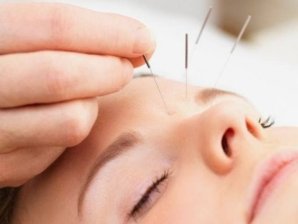
The main difference between laser acupuncture and traditional acupuncture is the way in which acupuncture points are stimulated. In traditional acupuncture, the points are stimulated using thin needles, while in laser acupuncture, low-intensity laser beams are used to stimulate the points.
Here are some of the key differences between laser acupuncture and traditional acupuncture:
- Method of stimulation: Traditional acupuncture involves the insertion of thin needles into the skin at specific acupuncture points. Laser acupuncture, on the other hand, uses low-intensity laser beams to stimulate the points.
- Sensation: Traditional acupuncture may involve a slight sensation of discomfort or a feeling of heaviness or tingling at the site of the needle insertion. Laser acupuncture, however, is painless and does not involve any physical contact with the skin.
- Precision: Laser acupuncture allows for greater precision in targeting specific acupuncture points. The laser can be adjusted to target specific depths of tissue and can be used to stimulate points that may be difficult to reach with traditional needles.
- Effectiveness: The effectiveness of laser acupuncture compared to traditional acupuncture is still a matter of debate. While some studies have suggested that laser acupuncture can be as effective as traditional acupuncture for certain conditions, others have found that traditional acupuncture is more effective overall.
- Safety: Both traditional acupuncture and laser acupuncture are generally considered safe when performed by a trained practitioner. However, laser acupuncture may carry a slightly higher risk of skin damage or burns if the laser is used improperly.
Overall, both laser acupuncture and traditional acupuncture have their own unique benefits and drawbacks, and the choice between the two will depend on the individual's specific needs and preferences. It is important to consult with a qualified acupuncturist to determine the most appropriate treatment approach.
When to consider laser acupuncture?
Laser acupuncture is a type of acupuncture that uses low-level laser therapy (LLLT) instead of needles to stimulate specific acupuncture points in the body. It is a non-invasive, painless, and relatively safe alternative to traditional acupuncture.
Laser acupuncture may be considered in the following situations:
- Needle phobia: If a patient has a fear of needles, laser acupuncture may be a good alternative.
- Sensitivity to needles: Some patients may be sensitive to needles or may have an increased risk of infection due to a weakened immune system. In these cases, laser acupuncture may be a good alternative.
- Children: Children may be afraid of needles or may not be able to sit still during a traditional acupuncture session. Laser acupuncture is a gentle and non-invasive option for children.
- Pain management: Laser acupuncture may be effective in managing pain, including chronic pain conditions such as arthritis, fibromyalgia, and back pain.
- Cosmetic acupuncture: Laser acupuncture may be used as a non-invasive alternative to traditional cosmetic acupuncture to reduce the appearance of fine lines, wrinkles, and other signs of aging.
Note: Laser acupuncture should not be used as a substitute for medical treatment for serious conditions. It is always recommended to consult with a licensed acupuncturist or healthcare provider before trying any form of acupuncture, including laser acupuncture.