
Imagine this situation: you get up at 6 AM because you are cold. The outdoor temperature is 5C and it really is cold outside. You wake up because you can't bear the cold. With the cold, you stagger out of your bed trembling, and when you switch on your reverse-cycle heater (which was likely running all night), you find it surprising to see the corridor is still freezing.
Most Victorian homeowners immediately blame their roof space, rushing out to top up ceiling batts. But here’s the kicker: uninsulated external walls quietly bleed anywhere from 15% to 25% of your home's total heat straight into the cold winter air.
Upgrading your wall insulation in Melbourne isn't just about surviving our notorious "four seasons in one day" weather; it's the most reliable way to lock in warmth, slash rising energy bills, and keep your living room cool when summer turns into a total scorcher.
Decoding R-Values for Climate Zone 6
Before spending any money, you have to know a thing or two about R-values. Roughly speaking, the R-value is a measure of the heat resistance offered by a certain thickness of building material. That is to say, the higher the figure, the greater the insulation performance.
As Melbourne lies exactly within Climate Zone 6, our building envelopes are subjected to quite drastic seasonal change.
- The Target Rating: NCC prescribes a minimum rating of R2.0 to R2.5 for wall framings. Still, going for R2.5 or R2.7 gives you A lot better insulation performance.
- Watch the Thickness: Wall batt thickness should not exceed 90mm to fit into standard timber stud cavities. Squeezing a thick batt into a skinny wall frame squashes those critical air pockets, effectively destroying its insulating power.
- Thermal Bridging: Without careful installation, heat bypasses your batts entirely by travelling right through conductive timber or steel studs, a sneaky process called thermal bridging.
Matching Insulation to Your Specific Wall Type
No two Melbourne houses are built quite the same, so your retrofit strategy boils down to what’s hiding behind your plasterboard.
- Brick Veneer (1960s–Present): These homes feature a 40–50mm air gap between the outer bricks and inner timber frame. The smartest fix here is blown-in cavity injection insulation (polyester or glasswool), which gets pumped directly into the wall gap through tiny holes drilled into external mortar joints. No mess inside, no tearing down plaster.
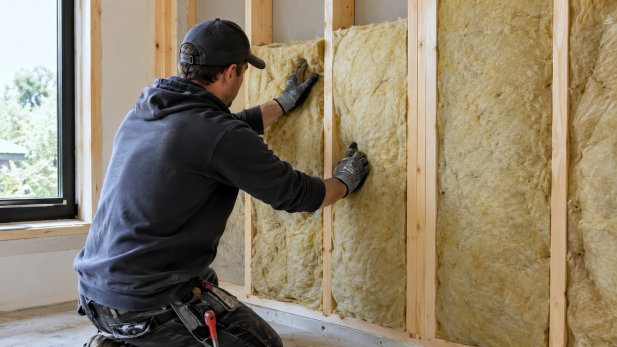
- Timber Weatherboards (Pre-1990s): Old weatherboard places usually have completely hollow stud cavities. You can easily pack in standard bulk batts if you're ripping off plaster during a re-line, or pump in loose-fill insulation from the outside.
- Double Brick (1890s–1960s): Solid double brick homes don't have a cavity to inject into. To insulate them, trades must install internal steel or timber furring channels, fit R2.5 batts, and line over with new plasterboard, sacrificing about 55- 70 mm of room depth along the way.
Moisture Control & Vapour Permeable Membranes
Winters in Melbourne provide a huge challenge when it comes to moisture: moisture from warm air in the house forms on the frozen exterior surfaces of the wall structure.
Frequently, those embarking on construction projects such as extensions or building a house wonder what wall wrap insulation is and why foil is not enough in the contemporary world. Wall wrap insulation is an adaptable, Class 4 vapour barrier material that acts as Gore-Tex on your home.
- Breathing Room: Traditional reflective foil sarking just traps humidity in the wall space, while a Class 4 membrane can allow water vapour from inside the room to leave and, at the same time, prevent driving rain from getting in on the other side.
- Building Code Rules: Installing vapour-open wrap Class 4 on the outside face of your insulation, with at least the drainage layer, is compulsory under NCC climate zone rules 2022 for building envelopes to remain healthy.
Material Selection, Acoustic Protection & Safety
Selecting a suitable material is not only a matter of warmth but can also offer one a bit of privacy in the world of silence. For example, high-density wall batts insulation can reduce sound waves in the air, and that's why it minimises traffic noise and the disturbances from noisy neighbours.
- Glasswool Batts: Light, affordable, and straightforward, glasswool is the first-hand preference for excellent all-year-round insulation and noise control.
- Rockwool (Stone Wool): Very tight and heavy, rockwool brings excellent acoustic ratings (STC) for home theatres or street-facing bedrooms together with first-class fire resistance.
- Polyester Batts: These have been formulated in such a way that they are not irritants, they don't create dust, and they stay dry even when it rains, so the choice of these is an ideal one as you have less difficulty in handling them.
Conclusion:
Purchasing good quality Home insulation in Melbourne can ensure that your living area enjoys all four elements of a comfortable home, i.e. warmth, coolness, and silence throughout the days.