
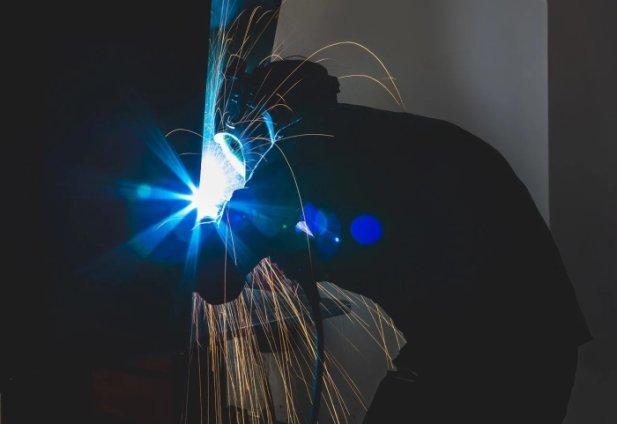

Quality in fabrication is one of those terms that gets used constantly and defined rarely. Every vendor claims it. Procurement teams ask for it. But when a weld fails in service or a structural component does not hold to specification under load, the conversation about what quality actually means in practice gets uncomfortable fast.
The fabrication industry in India has matured considerably over the past two decades. For clients commissioning heavy engineering fabrication services in India, the practical question is not whether a provider holds a certificate.
What Industrial Fabrication Best Practices Actually Cover
The scope of industrial fabrication best practices is broader than most procurement specifications capture. Steel and aluminum arriving at a fabrication facility should carry mill certificates traceable to specific heats and be checked against the design specification before cutting begins. In facilities where this step is treated as a formality rather than a control point, specification drift happens quietly.
Weld procedures need to be developed, tested, and documented before production welding starts on any structural or pressure-bearing component. Welders need to be qualified for the procedures they are using. These are not optional refinements. They are the baseline for any high-quality fabrication services India provider operating in line with industry expectations. Dimensional inspection at intermediate stages catches fit-up problems before they become welding problems at a fraction of the rework cost.
On-Site Work Carries Higher Risk Than Shop Fabrication
On site welding and fabrication services India do operate under conditions that any shop environment does not really face. Weather, access constraints, live services, and maintaining proper preheat in ambient conditions all increase technical demands. The inspection infrastructure a shop provides, fixed stations, calibrated equipment, and controlled lighting are not replicable on site.
This is where industrial safety in fabrication industry becomes operationally critical. On-site fabrication involves working at height, in confined spaces, and with hot work near existing plants. Safety management here is not separate from quality management. An unsafe environment produces rushed work, fatigued workers, and shortcuts that show up in the finished product. Better on-site providers maintain inspection hold points under schedule pressure and track material documentation from the shop to the installed position.
Gujarat: A Genuine Fabrication Ecosystem
The concentration of metal fabrication services in Gujarat is not accidental. Clients comparing steel fabrication services in Gujarat have real choices, and the companies that have grown over decades did so by building operational capability rather than just capacity.
Compliance Standards are Raising the Bar
Fabrication process standards and compliance India have evolved steadily alongside international expectations. Major clients in oil and gas, power, and defense have driven adoption of ASME, AWS, IS, and BIS standards across supply chains. Engineering and fabrication service provider India companies that have invested in these standards access a broader project pipeline. Those that have not are limited to lower-specification work, and the margins reflect that.
For procurement teams, evaluating a provider on price and capacity alone misses the variables that determine whether components perform as intended. Weld quality, material traceability, and dimensional accuracy are not visible in a quotation. They are visible in a quality plan, qualified weld procedure records, and how a provider responds when asked to demonstrate capability rather than assert it.
Quality Is Built In, Not Inspected In
Companies like Ravi Industries are consistently delivering high-quality fabrication services understands one thing plainly: quality cannot be inspected into a finished component. It has to be built in at every step from material receipt to final dispatch. The inspection function confirms whether the process worked. It cannot fix a process that did not.
For any client placing fabrication work in India, the question is not whether a provider has a quality certificate. It is whether quality is visible in how they operate before the certificate comes up.










This article provides valuable insights into maintaining consistency and reliability in fabrication work. Quality standards are essential for ensuring products meet specifications and customer expectations. A must-read for anyone involved in manufacturing or sourcing fabrication services. 소액결제 현금화