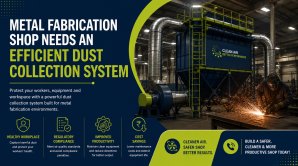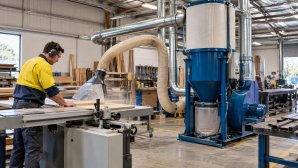

An efficient dust collection system is essential for maintaining clean, safe, and productive industrial environments. Choosing the right air filtration system manufacturer can help businesses improve dust capture, reduce equipment wear, and maintain better air quality across production areas.
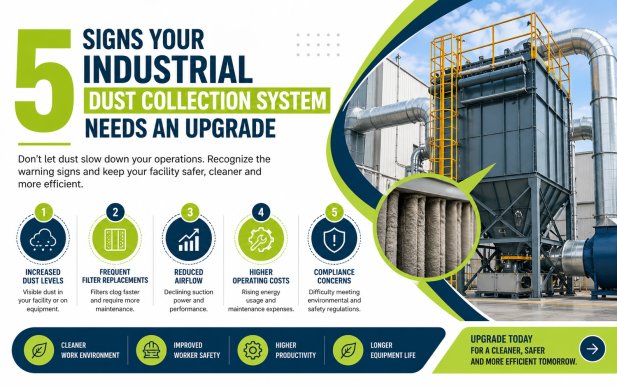
However, even a well-designed system can lose efficiency over time. An experienced air filtration system manufacturer can assess your existing setup and recommend upgrades based on airflow, dust load, equipment condition, and production requirements. Here are five signs that your industrial dust collection system may need an upgrade.
1. Poor Dust Capture and Visible Dust
One of the clearest signs of an underperforming dust collection system is visible dust around machinery, floors, ducts, or workstations. If dust escapes into the production area despite the collector running, the system may not be providing sufficient airflow or capture velocity.
This can happen because of clogged filters, damaged filter bags, leaking ductwork, poorly designed hoods, or changes in production volume. Regular inspection can help identify whether the existing dust extraction system is still suitable for your current operations.
What to Check
Look for:
- Visible dust near collection points
- Dust accumulation around machines
- Frequent filter blockages
- Leakage from ducts or housings
2. Rising Energy Consumption
An industrial dust collector that consumes more energy than before may indicate declining performance. Dirty filters, inefficient fans, excessive pressure drop, or poorly balanced ductwork can force the system to work harder to maintain the required airflow.
Modern dust collection equipment can incorporate improved fans, optimized airflow, variable frequency drives (VFDs), and energy-efficient filtration technology. An upgrade can therefore help reduce unnecessary energy consumption while maintaining effective particulate capture.
3. Frequent Filter Replacement
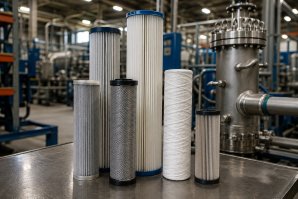
Filters are designed to capture dust efficiently while allowing clean air to pass through. If your facility is replacing filter bags or cartridges much more frequently than expected, there could be an underlying problem with dust loading, filter selection, cleaning performance, or system design.
A professional air filtration equipment manufacturer can evaluate filter media, dust characteristics, pressure drop, and cleaning cycles. Upgrading to a suitable cartridge or bag filter system may improve filtration efficiency and extend filter service life.
4. Increasing Maintenance and Downtime
Frequent breakdowns and maintenance issues can indicate that your existing dust collection equipment is reaching the end of its useful service life. Problems with fans, motors, rotary airlocks, filter cleaning systems, or control panels can interrupt production and increase operating costs.
If maintenance is becoming more frequent, consider whether repairing individual components is still practical. A modern industrial air pollution control system can integrate improved components and automation to make operation and maintenance more reliable.
When an Upgrade Makes Sense
Consider reviewing your system when:
- Maintenance costs continue to increase
- Production downtime is becoming frequent
- Replacement components are difficult to source
- The system no longer meets current production demands
5. Your Production Process Has Changed
Production expansion can significantly change the dust load and airflow requirements of a facility. Adding new machines, increasing production capacity, or switching raw materials may make an older dust collector unsuitable for current requirements.
A system designed for a smaller operation may struggle with increased particulate loads or additional extraction points. Consulting an industrial air filter manufacturer can help determine whether you need additional filtration capacity, redesigned ductwork, or a completely upgraded collection system.
Conclusion
An outdated dust collection system can affect air quality, energy efficiency, maintenance costs, and overall production performance. Visible dust, rising energy consumption, frequent filter replacement, increased downtime, and production changes are important warning signs that should not be ignored. Poor air filtration impacts worker health, while ineffective dust control can also affect machinery and workplace productivity. If your system shows these signs, consult a qualified industrial air filtration system manufacturer to evaluate its performance and identify practical upgrade options. The right filtration solution can help create a cleaner, safer, and more efficient industrial environment.