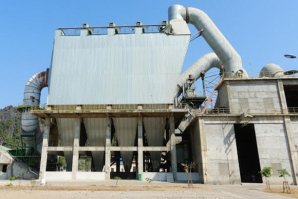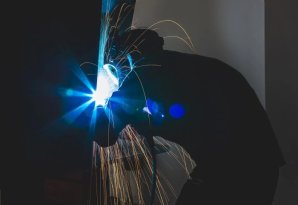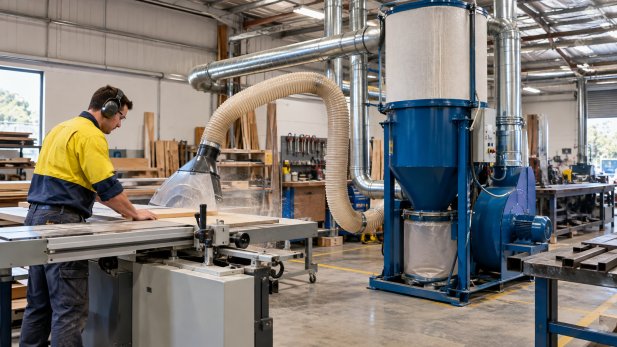

Step into any Aussie workshop, from a bustling cabinetmaker in Brisbane to a noisy metal fab shop in Adelaide, and the first thing hitting you is the air. What is really floating in the air? The act of cutting timber, grinding steel, or mixing different powders brings so much very small grime into the air at such microscopic levels, which is capable of doing this. Investing in dust extraction equipment; it is an essential safety measure, not a minor requirement. Getting air quality right demands a proper look at five technical essentials before spending a single dollar.
1. Know Your Dust Hazard Classes
You are probably aware that there is no use in considering all types of dust as the same thing. The standard EN 60335-2-69 distinguishes between three kinds of industrial dust risk categories by Workplace Exposure Limits (WEL):
- L Class (Low Hazard): Deals with low-to-moderate dusts that have high WEL values exceeding 1 mg/m³.
- M Class (Medium Hazard): Dusts with WELs=0.1mg/m are not tolerable here. Hardwood shavings and respirable crystalline silica (RCS) produced when cutting concrete, brick, or stone are some examples.
- H Class (High Hazard): Indispensable for highly hazardous substances below 0.1 mg/m³ such as asbestos, lead, carcinogens, and active pharmaceutical substances.
At this point, many of us just don't do it at all: just taking a filter off a HEPA and attaching it to a shop vacuum does not automatically mean that you get an M-Class filter unit. True certified units go through brutal whole-machine leakage testing. That means checking housing seals, motor enclosures, low-airflow alarms, and dust-free bag disposal so hazardous particles don't escape straight back into your face.
2. Tame Explosive Dust and Flying Sparks
Tiny particles under 500 microns suspended in the air are essentially waiting for a spark to trigger a flash fire or dust explosion. Ignoring this risk is playing with fire.
When setting up site facilities in line with Australian Standards for dust extraction systems, zoning rules dictate your gear choices. If you operate in ATEX explosive zones or handle combustible dusts under ordinary ACD ratings, your setup needs conductive static grounding and double-layer filtration, pairing a primary Class M filter with a secondary HEPA H14 element. Grinding metal? That creates shower sparks that easily ignite dry sawdust. Metalworkers need dedicated downdraft tables or wet collectors that submerge reactive metal dust in neutralising liquid before trouble starts.
3. Fixed Central Systems vs. Portable Units
How your shop runs dictates system architecture. It comes down to space, mobility, and sheer dust volume:
- Fixed LEV Systems: Built permanently into wall or overhead ducting. They deliver high-volume airflow and rock-solid capture efficiency across multiple machinery stations running at once.
- Portable Units: Wheel them right where you need them. Perfect for maintenance crews, shifting jobs, or smaller bays needing quick spot extraction without massive install overheads.
4. Airflow Math and Duct Design That Works
Suction power isn't magic; it's fluid dynamics. To determine what your ventilation system should be able to move, you can multiply the area that will be hooded by the speed of the airflow through the ducts. Aim for about 3,000 to 4,000 feet per minute (320 to 345 km/h). At these speeds, heavy dust will be continuously moving through the system and be prevented from settling in the. Count all operating sources and then include a margin of error of 10%-20% to this number.
Poorly designed ducting can strangle even the most powerful fans. Avoid the use of 90-degree tee fittings, as these cause huge amounts of drag; go for 45-degree side sweeps. Use only long radius bends (1.5D radius) and minimize the length of flexible hose connections, which have three times the drag as metal tubing. When looking at dust collectors in Melbourne or industrial areas, make sure that your ducting design has low static pressure losses.
5. Dampen Noise and Keep Up Maintenance
Of course, no one desires noisy machines. Make sure that the shop noise is below 85 dBA for an eight-hour period by installing exhaust mufflers or noise-reducing housings, which can reduce noise levels by 20 to 30 dB.
Conclusion:
In conclusion, don't take a "she'll be right" approach toward maintenance activities. Check differential pressure gauges every day, examine fan impellers every month, and clean out the ductwork every three months.