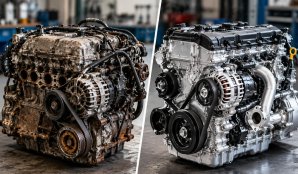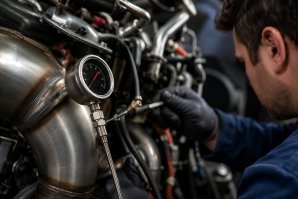

Do you sometimes feel like your car is not performing at its full potential? Well, that is a common feeling among many car owners. The truth is, nowadays a lot of new cars come with very limited power right from the factory. For various reasons, car manufacturers intentionally cap the cars' performance through software to comply with global regulations and to cope with different qualities of fuel available in foreign markets. But what about Australia? Surely here we need vehicles with more horsepower, for example, when towing a caravan along the coast or driving in the outback.
If you’ve been hunting around for diesel tuning in Melbourne, you’re already on the right track. It’s all about tapping into that dormant power your engine is hiding. Let’s spill the beans on how a proper software calibration completely transforms your daily drive, especially if you're behind the wheel of a turbo-diesel or a premium German machine like an Audi or Benz.
The Setup: Tuning Box vs. ECU Remapping
So, how do you actually get that extra performance out of your engine? You've got a couple of different paths to take.
You could slap on a cheap plug-and-play tuning box. Honestly, though? Those things just intercept sensor signals to trick the engine's computer into dumping more fuel or boost. It’s a messy workaround that often makes the car fight against itself, leading to jerky power delivery and a confused system.
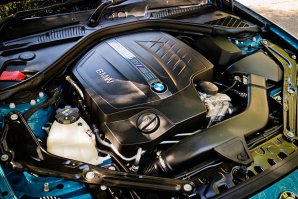
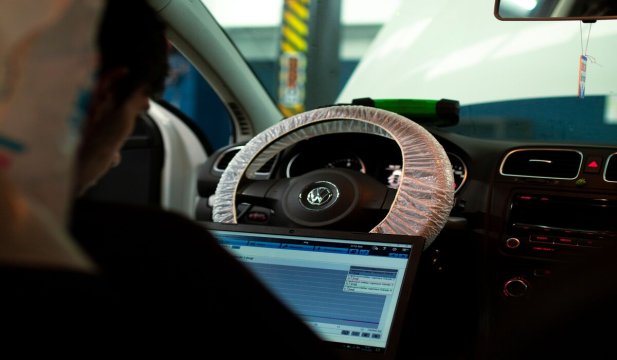
Because of that, people are starting to wise up and ask: What is ECU remapping? This time, instead of deceiving the ECU itself, an engineer gathers information directly to the ECU; it is the real heart of the car. Just a permanent reprogramming of the chip. They adjust fuel timing, boost pressure and ignition maps, so the engine produces maximum power. Clearly, no tricks involved, just nice harmonised tuning.
Breaking Down the Upgrades
Upgrades generally happen in stages, tailored exactly to how much extra punch you want:
- Stage 1: The absolute best bang for your buck. It’s purely a software flash with zero physical parts required, optimising the factory setup.
- Stage 2: Introducing some hardware into the equation. Consider replacing stock components with high-flow exhausts, air intakes, or bigger intercoolers to help the engine take in more air. Plus these modifications, there is also a custom software tune.
- Stage 3: The big leagues. This involves major mechanical swaps like upgraded turbos and fuel injectors, built for track-level insanity.
Why Turbo-Diesels Are an Absolute Goldmine
Driving a turbo-diesel vehicle puts you in control of a lot of unused power. Here's what's possible with a custom vehicle tune:
- Effortless Towing: You unlock massive amounts of mid-range torque, which is exactly what you need for highway overtaking or lugging heavy loads without wringing the engine's neck.
- Real Cash Savings: It may amaze you, but it can reduce your fuel costs. As the engine produces greater torque at low revs, you should be able to interrupt your gear changes quickly and keep your speed with hardly any throttle usage.
- Better Economy: Tradespeople and 4WD tourers who learn to change over to this gentler driving style often experience a 5 to 15 per cent increase in their fuel economy. Double positive.
Unleashing German Engineering: Audi & Mercedes
German platforms respond incredibly well to this stuff, too.
Audi Platforms:
- Instant Response: A straightforward Stage 1 flash completely eliminates that annoying, mushy factory pedal feel, delivering instantaneous acceleration.
- Beat the Heat: If you're pushing an Audi harder, heat quickly becomes your worst enemy. Upgrading the factory intercooler is an absolute non-negotiable to prevent power loss.
- Gearbox Sync: Don’t forget the gearbox. Audi’s dual-clutch transmissions often need a TCU (Transmission Control Unit) tune to remove factory torque limiters and speed up gear shifts, so the transmission doesn't bottleneck your fresh engine power.
Mercedes-Benz Platforms:
- Massive Gains: Take the ML350 BlueTEC running the legendary OM642 3.0-litre V6 diesel. From the factory, it puts out about 210 horsepower. A solid Stage 1 calibration can easily bump that up to the 250–280 horsepower mark.
- Retaining Luxury: The real artistry of tuning a Benz is keeping that signature luxury feel intact. A pro calibration syncs the newly unleashed torque flawlessly with the 7G-Tronic automatic gearbox so gear shifts stay buttery smooth.
- OEM Safety: Better yet, all the genuine OEM safety limits, like exhaust temperature management, stay wide awake to protect your engine.
Before You Tune: The Reality Check
Let’s clear the air on one thing: tuning won't inherently blow up your motor if it’s done by someone who actually knows what they're doing. But there is a catch. Before you flash any software, keep these pointers in mind:
- Mechanical Health is Key: Your car has to be fit as a fiddle. Shoving more boost into an engine with clogged air filters, a blocked DPF, or tired spark plugs is just asking for trouble.
- Warranty Checks: Modifying your vehicle's brain can sometimes cause headaches with your manufacturer warranty, so it pays to have a chat with your dealership or insurer beforehand.
Final Thoughts:
Ultimately, the best move to unlock the full potential of your car is to reprogram its control unit, for good fuel economy during long drives or just simply having raw power on the road. If you are contemplating ao car tuning in Melburne, give yourself a chance by finding a reliable professional. They will customise the program based on the way you drive so you get a radically different experience without losing your car's trustworthiness.