
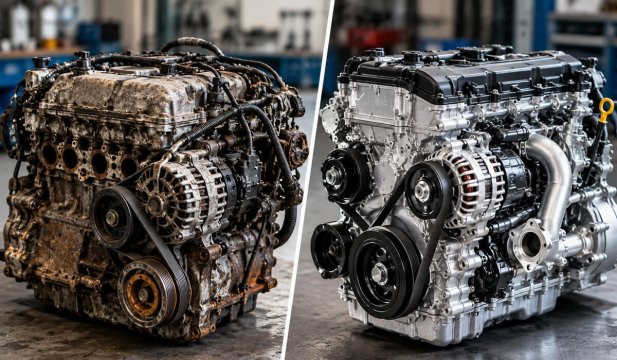

You probably drive your car every single day without expecting a massive breakdown under the bonnet. A failing motor is arguably the most stressful and financially draining repair any vehicle owner will ever face. Finding out your car needs major mechanical work leaves you with a remarkably difficult dilemma. Buying a brand-new factory replacement is usually far too expensive for most ordinary people. This harsh reality forces drivers to explore other mechanical options instead.
You might easily find yourself frantically searching for a used engine for sale just to get your car running again quickly. While older recycled units certainly offer the lowest upfront cost imaginable, choosing rebuilt replacements generally provides much better long-term value. Rebuilt alternatives often bring genuine reliability alongside much better warranty protection to the table. Deciding exactly which path to take requires careful consideration of your budget and your future driving plans.
What is a Used Engine?
- The Basics: People often wonder what exactly constitutes a standard unit in the automotive world. These specific motors are typically sourced straight from salvage yards. Mechanics also pull them directly from wrecked cars or parted-out vehicles that were involved in heavy accidents.
- Pros: The absolute biggest advantage here is the incredibly low upfront purchase price. This single factor makes them quick and easy to find for incredibly fast temporary repairs. Flipping an older vehicle often makes perfect sense when you decide to install a second-hand engine because you keep your initial repair costs extremely low.
- Cons: There are massive financial risks involved, though. You are essentially dealing with an entirely unknown history regarding the previous maintenance schedule. The true mileage is rarely verifiable by the mechanic doing the installation. Drivers face a very high risk of premature mechanical failure with these specific parts. Paying for costly re-installation labour twice is a total nightmare that nobody wants to experience.
What is a Rebuilt Engine?
- The Basics: It is probably necessary to point out how a reconditioned engine is different from a simple used one. The difference is that the reconditioning includes disassembling a completely faulty engine and inspecting its parts. Only the worn-out or damaged parts are fixed or replaced by new ones; all the rest of the metal parts are saved in good condition.
- Pros: The overall reliability you get here is significantly higher than simply dropping in an unchecked motor from a wrecked car. Drivers essentially receive like-new automotive performance at a mere fraction of the cost of buying a brand-new factory unit. A fully rebuilt option typically includes a limited professional warranty that gives you genuine peace of mind while driving.
- Cons: The only real downside to this method is the substantially higher initial investment required. It simply costs more money to do the job right the first time.
Cost-Benefit Analysis: Which Offers Better Value?
- Upfront Costs: Comparing the harsh financial realities of these two choices requires looking far beyond the initial purchase price. Used automotive components win hands down when we strictly evaluate upfront costs alone. They often cost roughly forty to sixty per cent less than their fully rebuilt counterparts.
- Labour Expenses: The physical mechanical labour required to actually remove the old motor and install the replacement is virtually identical for either type, though. Paying a professional mechanic thousands of dollars to repeatedly install risky used components makes very little financial sense. It is usually far more cost-effective to simply pay that hefty labour fee just once for a genuinely reliable motor.
- Long-Term ROI: Rebuilt options effectively minimise the dangerous risk of a secondary breakdown happening down the road. They ultimately save you from paying massive additional repair fees and repeated labour costs over the entire lifespan of your car.
How to Choose the Right Option for Your Situation
Deciding between these two distinct paths really depends on your specific financial circumstances and driving goals.
- When to choose a used engine: It is the smartest choice if you are operating on a very strict budget right now. It also makes sense if your current car is just an older daily driver rapidly nearing the absolute end of its useful life. You might also just be repairing the vehicle to flip it and sell it quickly to someone else.
- When to choose a rebuilt engine: You should definitely choose a fully rebuilt option if you plan to keep your car for several more years. Relying on your vehicle for daily work commutes demands total mechanical dependability. Sometimes, an unexpected fluid leak becomes a massive common car engine problem that completely ruins your motor entirely. Rebuilding provides a highly reliable safety net and warranty protection when those frustrating disasters inevitably strike.
Conclusion:
Deciding exactly how to fix your broken vehicle is rarely a simple choice for anyone. Standard used parts definitely offer a cheap and very quick fix for immediate mechanical problems. Fully rebuilt alternatives act as a serious long-term investment in the overall longevity of your vehicle. Rebuilt motors ultimately offer significantly better value for serious drivers who want lasting reliability. They completely prevent unforeseen repair headaches and ensure your car stays on the road safely for years to come.
























This article does a great job breaking down the key differences between used and rebuilt engines. While used engines are cheaper upfront, rebuilt ones typically come with warranties and longer lifespan, making them worth considering depending on your budget and priorities. 리본티켓